Save 9%

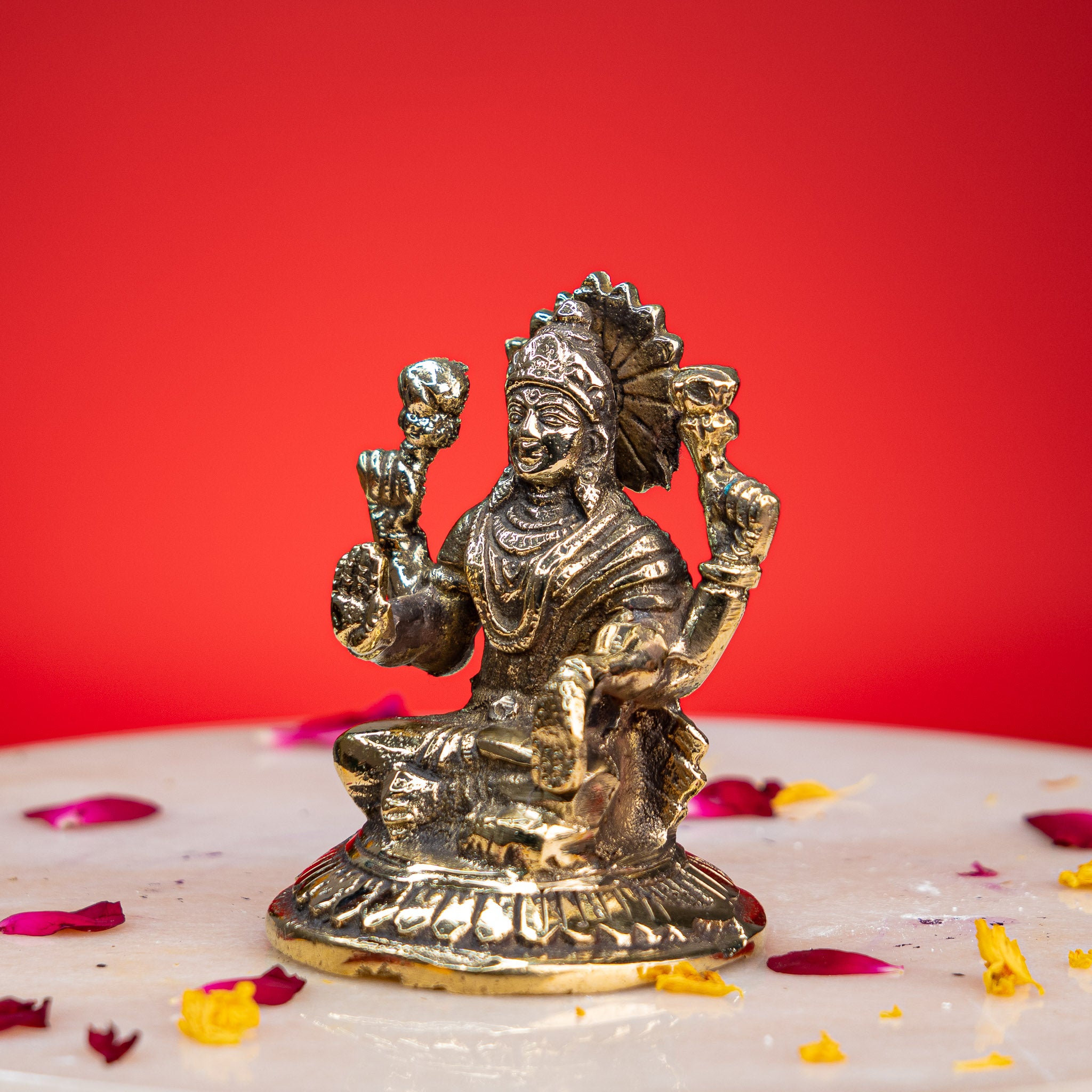
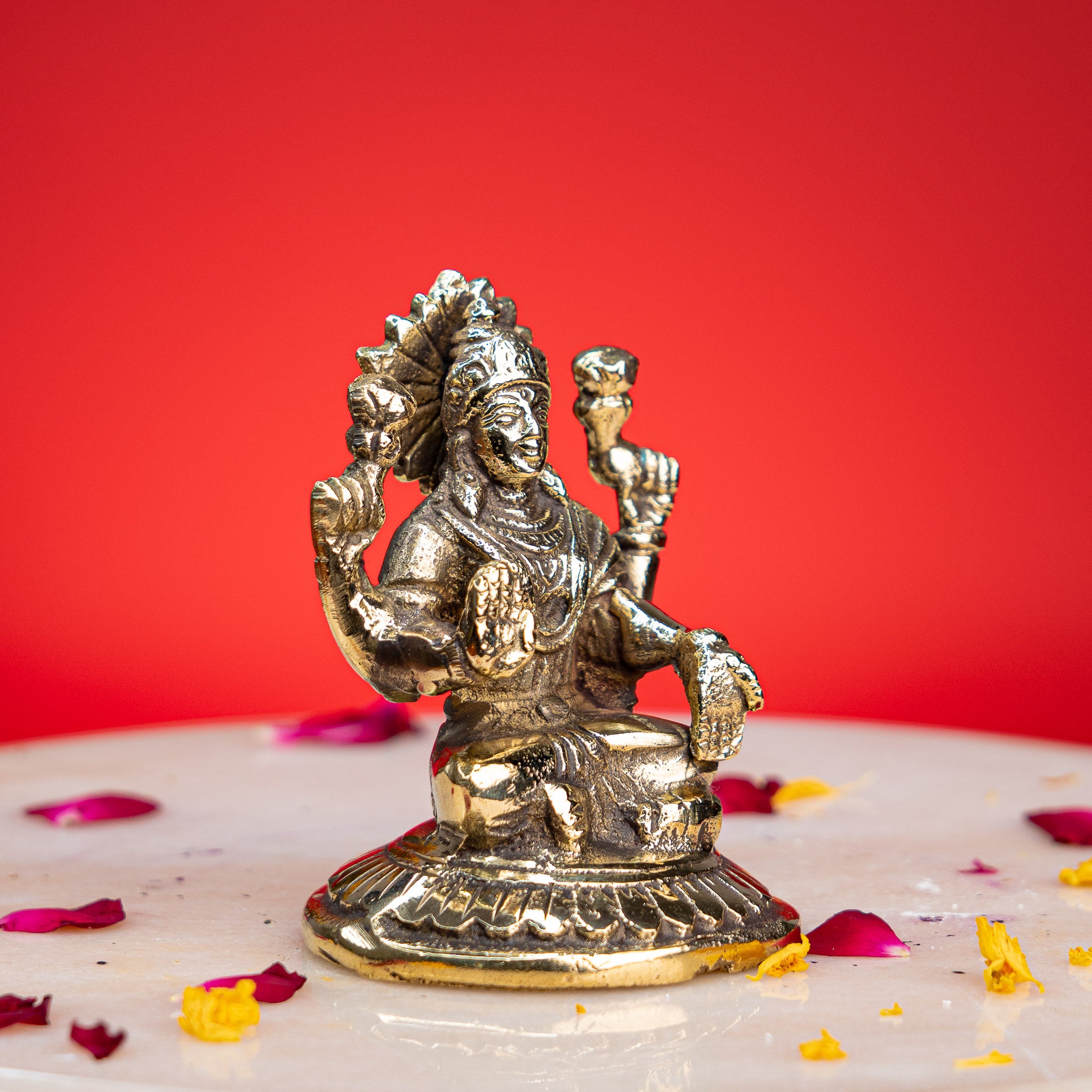
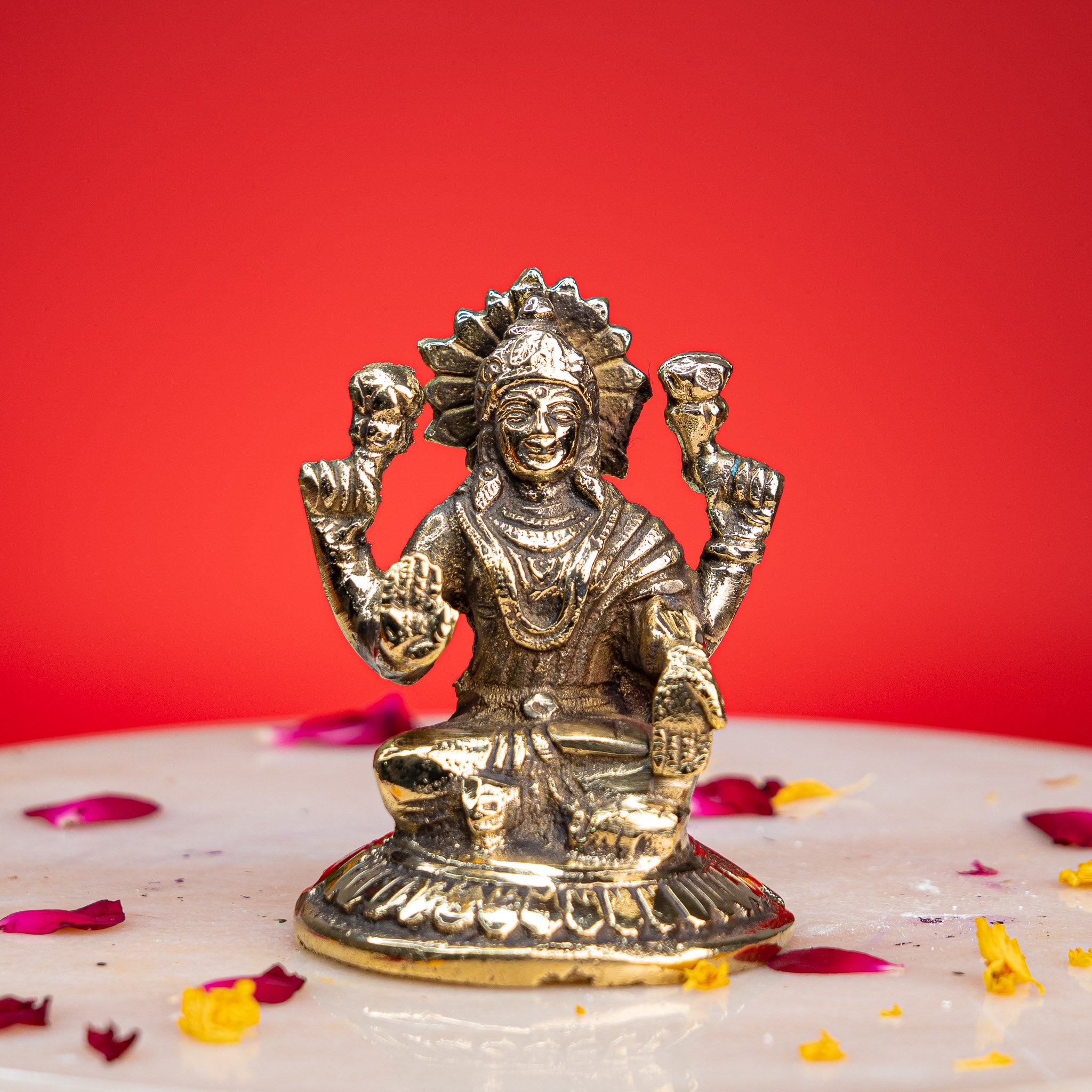
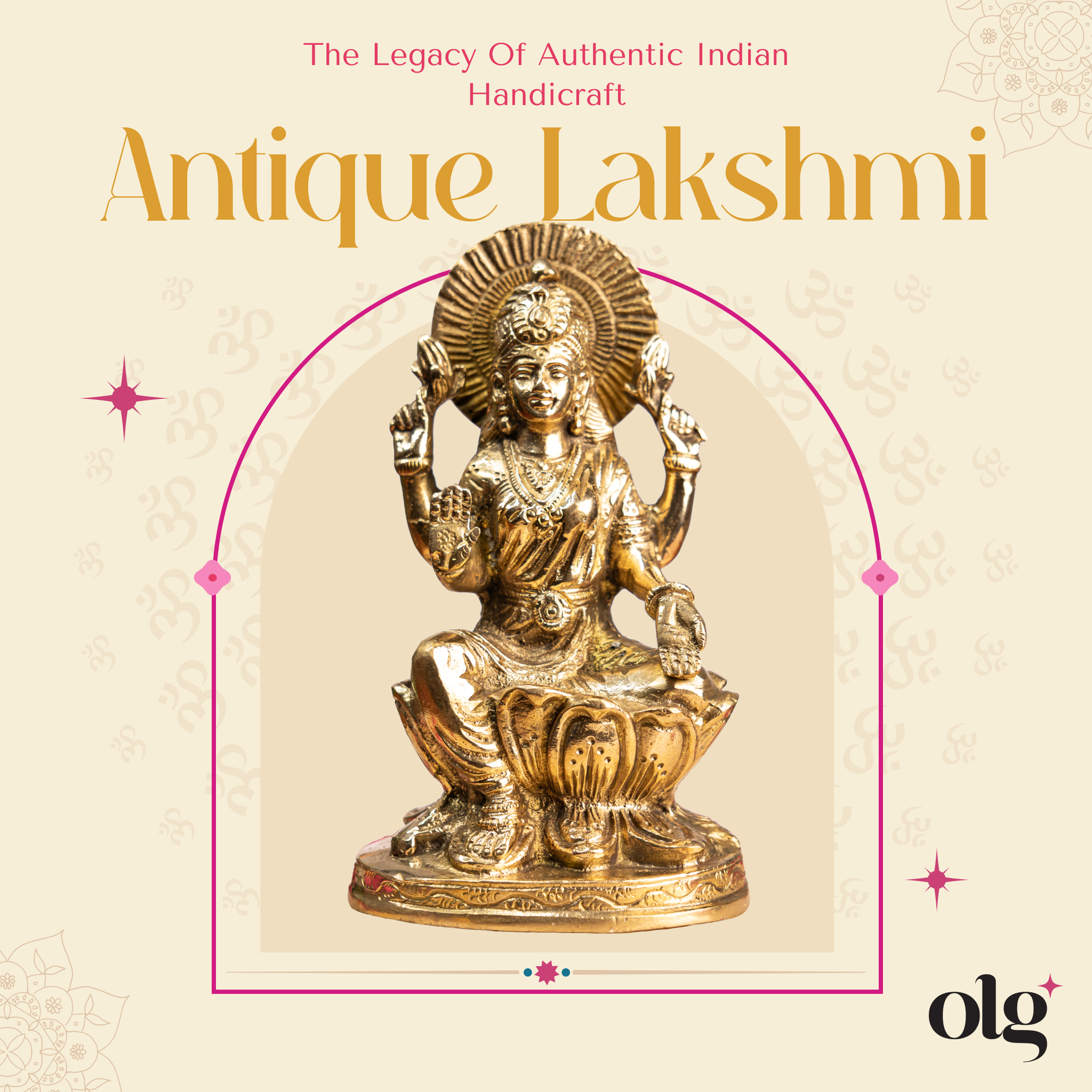
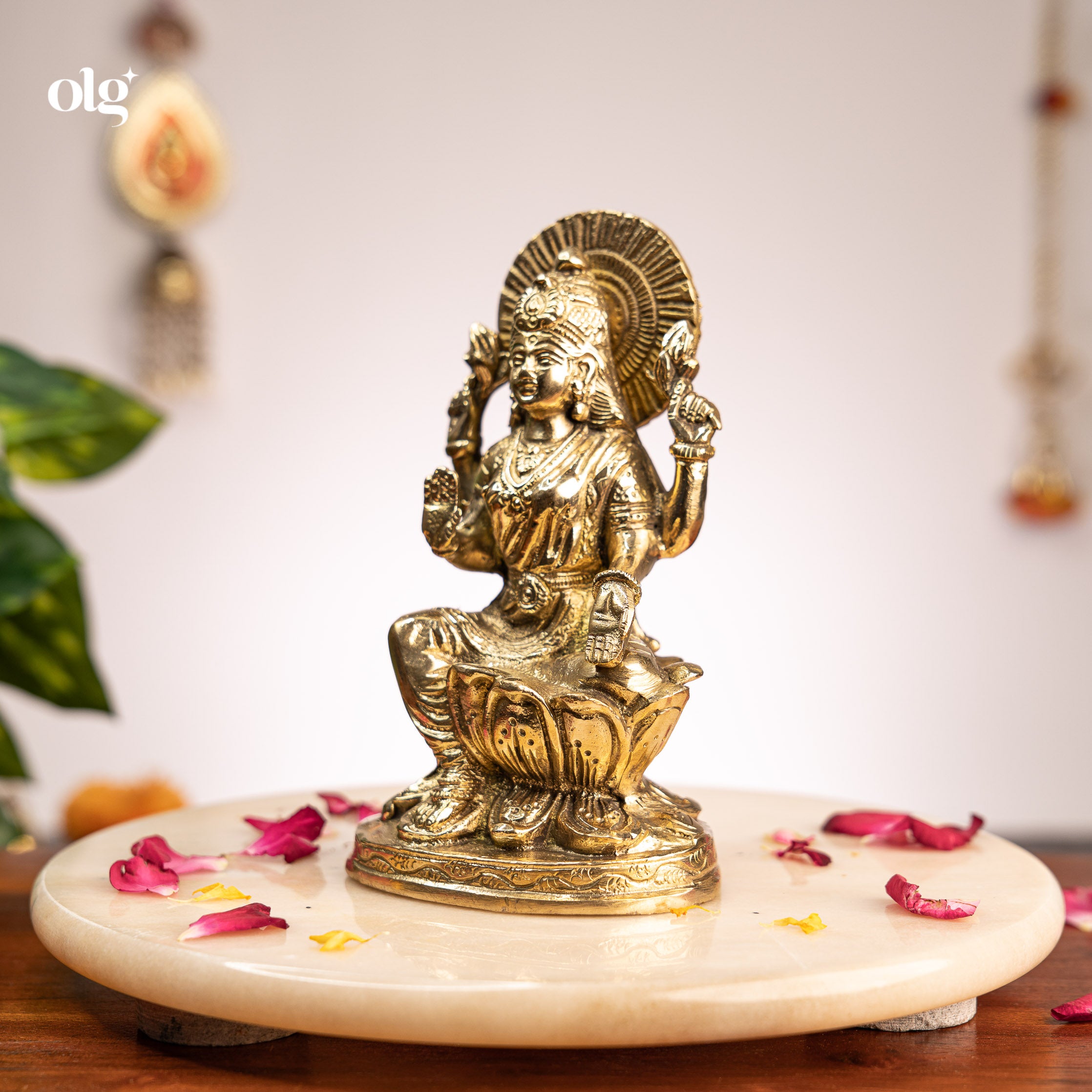
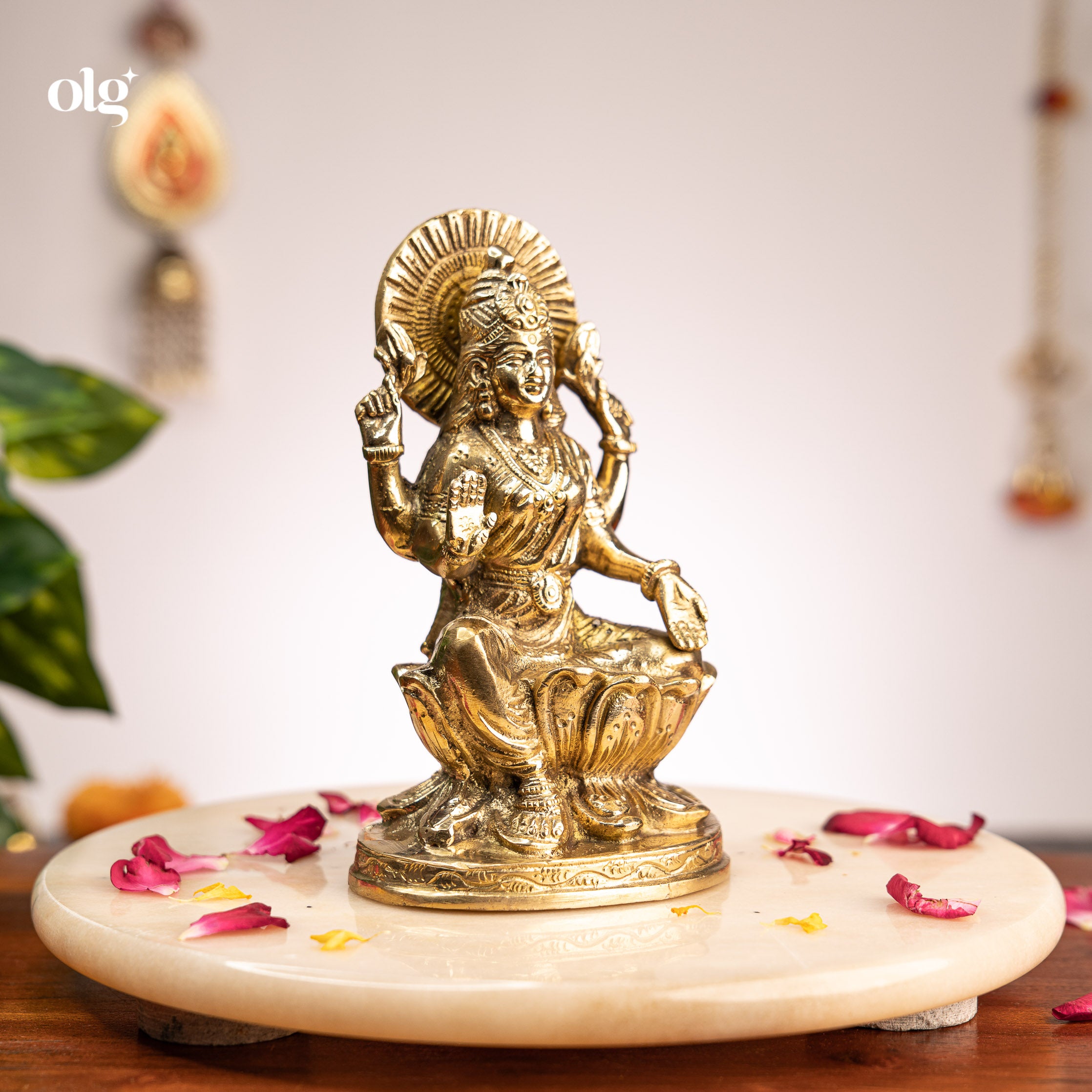
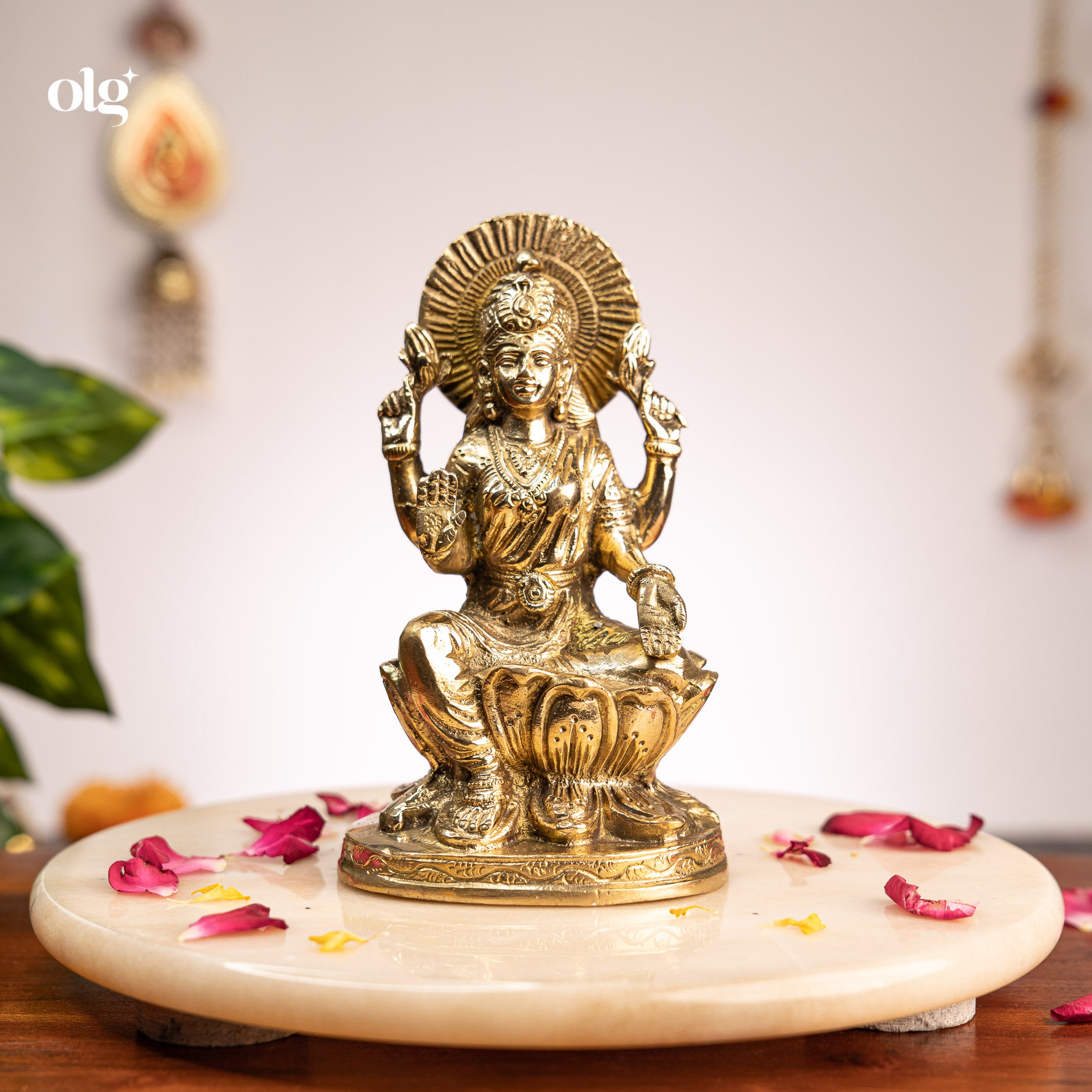
Premium Brass Sitting Goddess Lakshmi Idol (7 Inch)
Sale price₹ 2,999.00Regular price ₹ 3,295.60
Save 9%

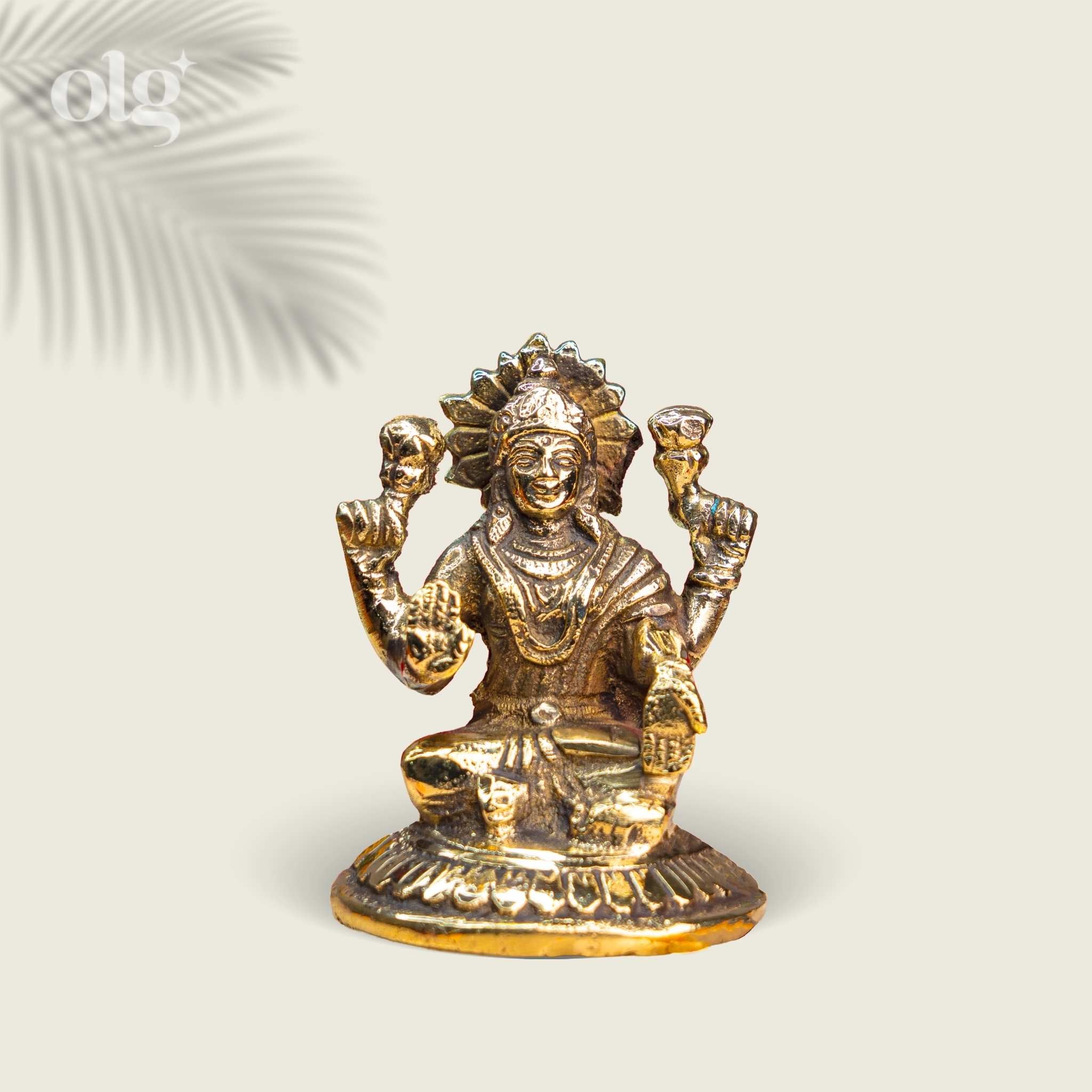
Premium Brass Sitting Goddess Lakshmi Idol (4 Inch)
Sale price₹ 1,100.00Regular price ₹ 1,208.79
Save 7%

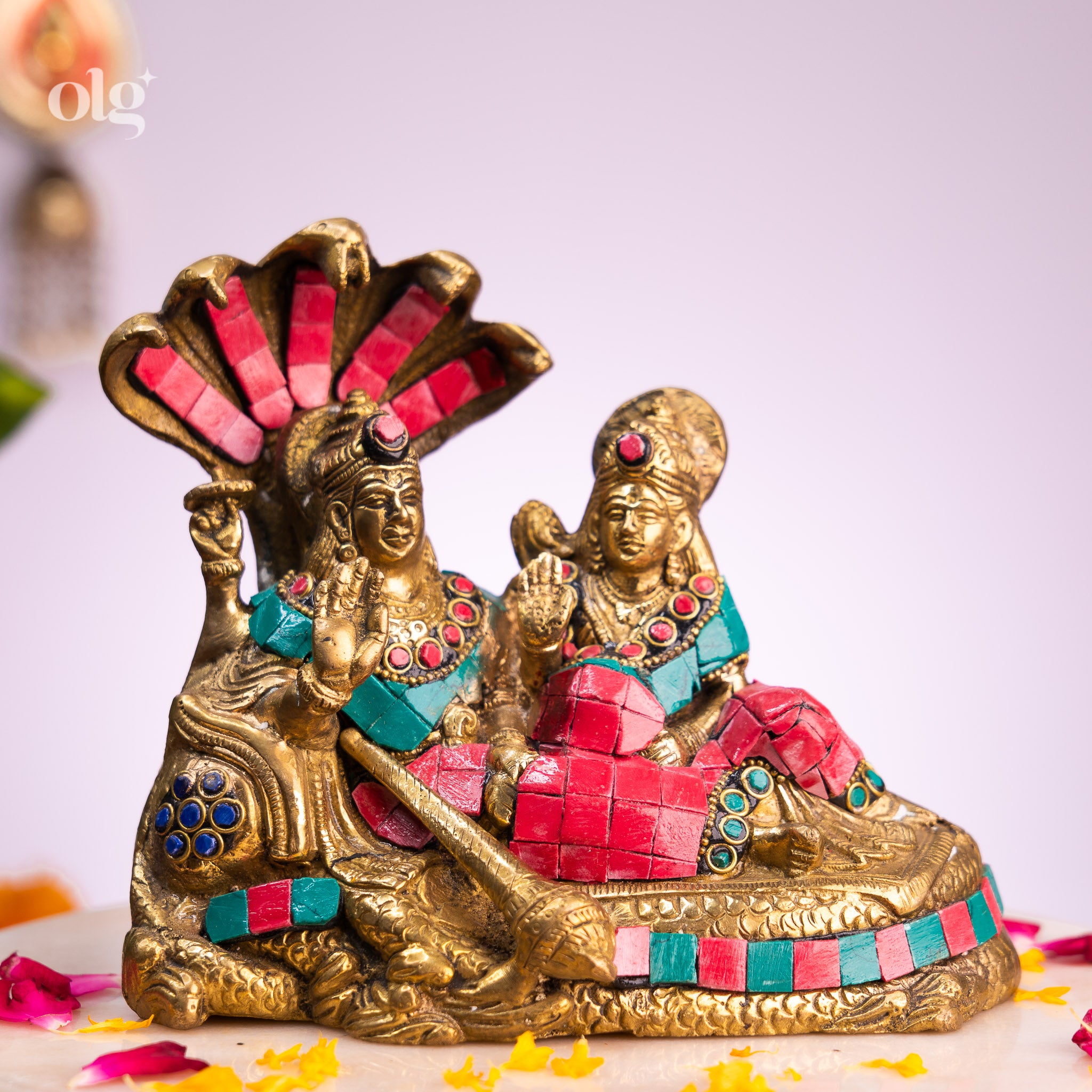
Multicolor Brass Vishnu Lakshmi on Shesha Naag Idol

Sale price₹ 5,499.00Regular price ₹ 5,912.90
Save 5%

Handcrafted Brass Lakshmi Ganesha Murti Pair (7 Inch)
Sale price₹ 6,465.00Regular price ₹ 6,805.26
Save 9%

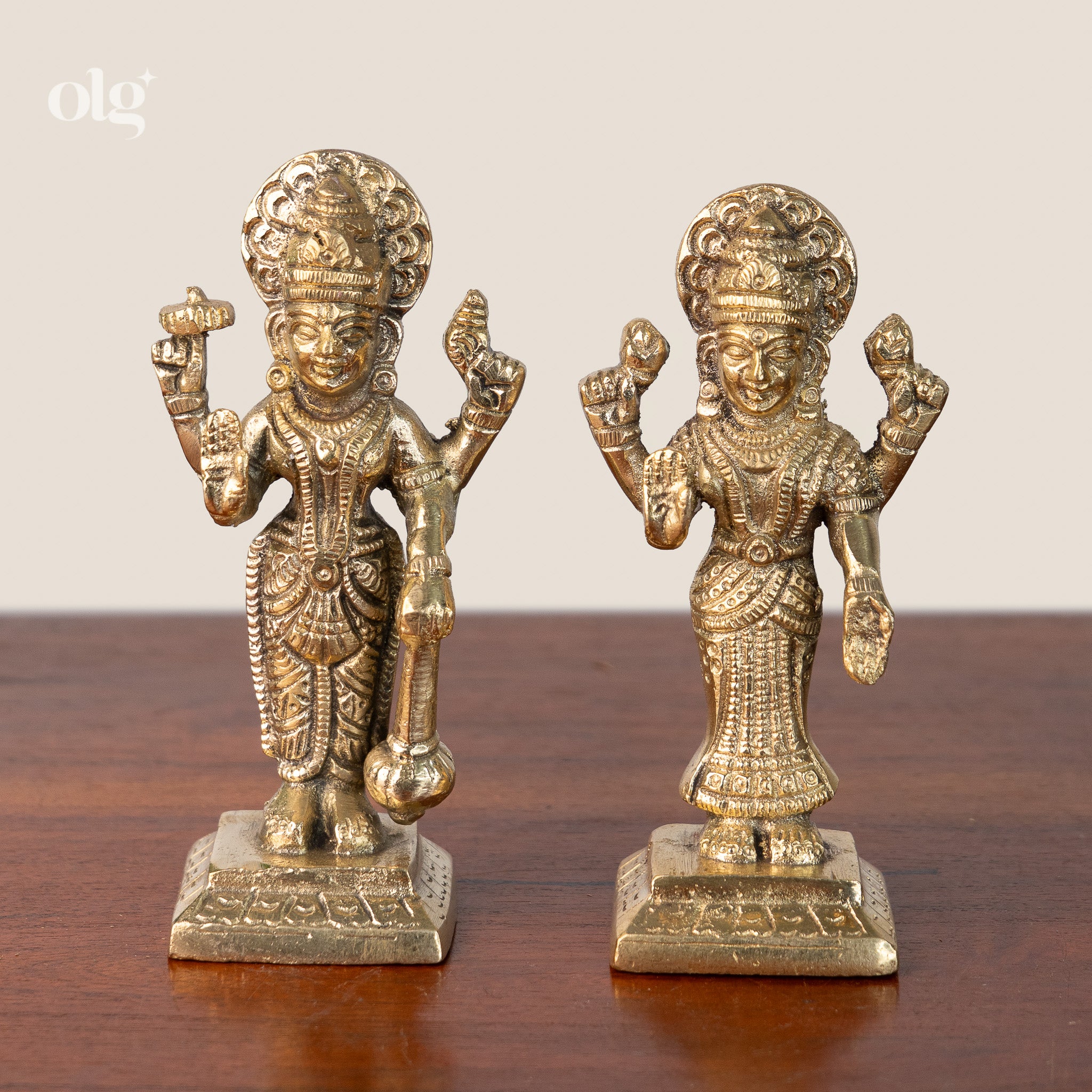
Divine Brass Lakshmi Narayan Idols Set (4 Inch)
Sale price₹ 2,200.00Regular price ₹ 2,417.58
Save 10%

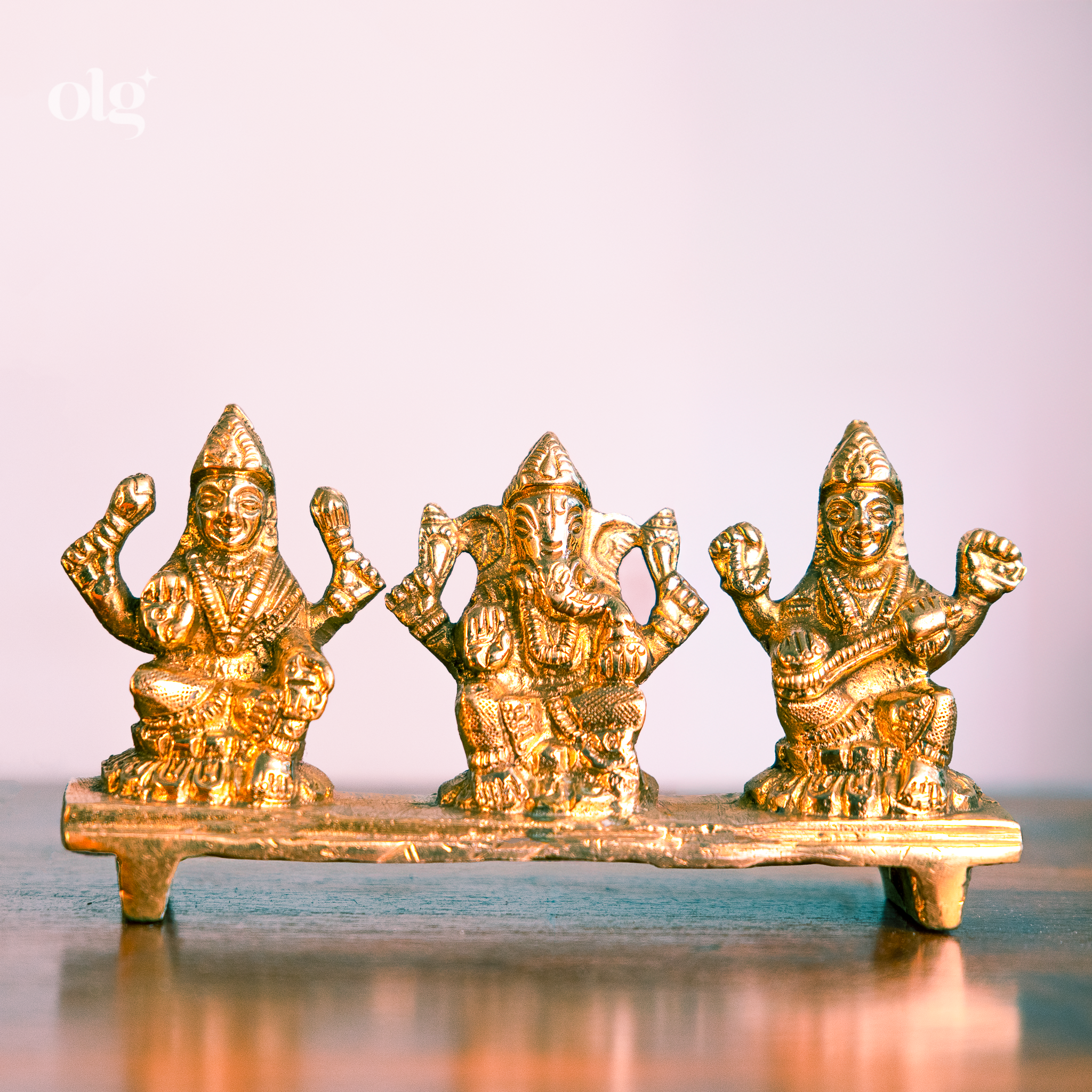
Brass Lakshmi Ganesh Saraswati Trio Set (2.5 Inch)
Sale price₹ 1,122.00Regular price ₹ 1,246.67
Save 9%

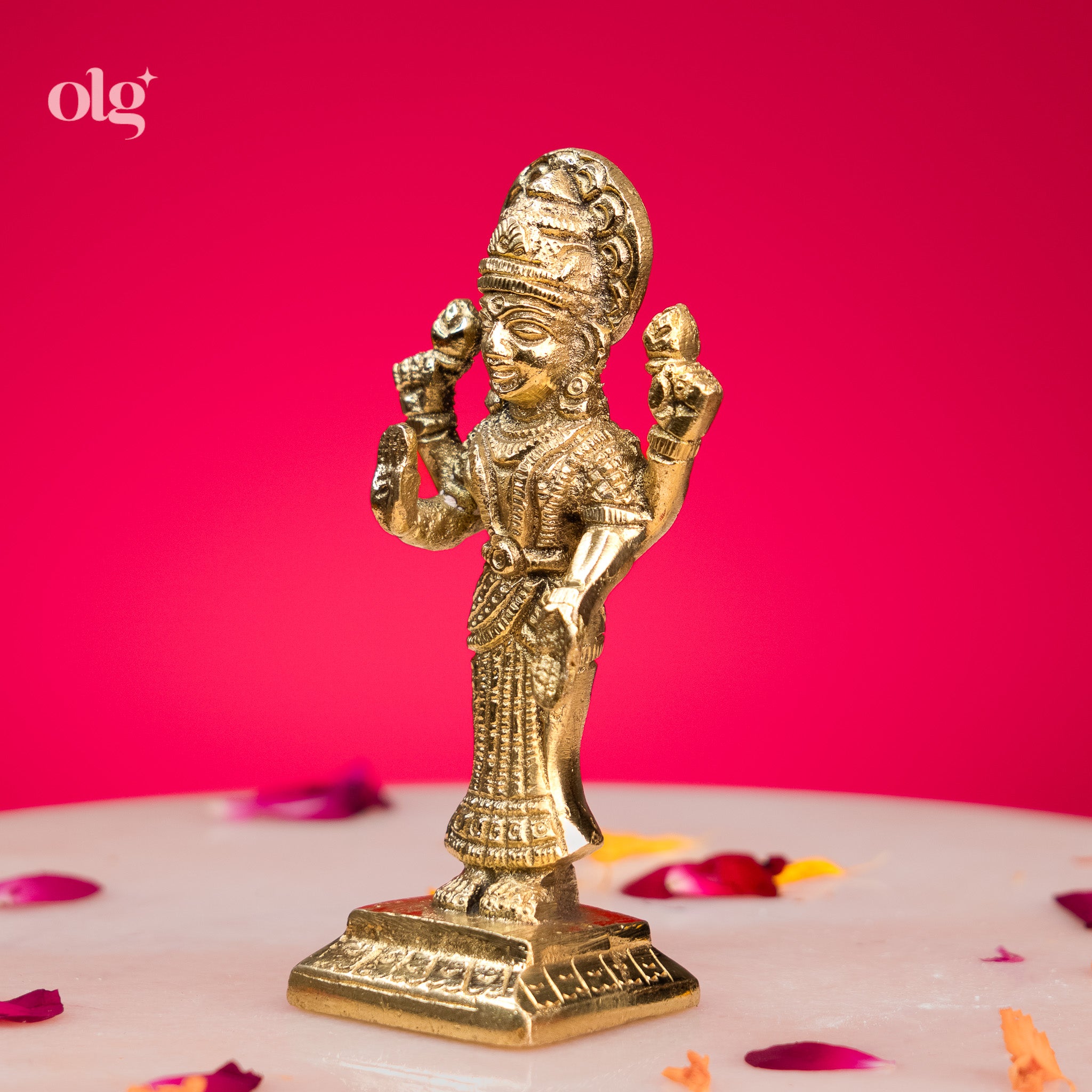
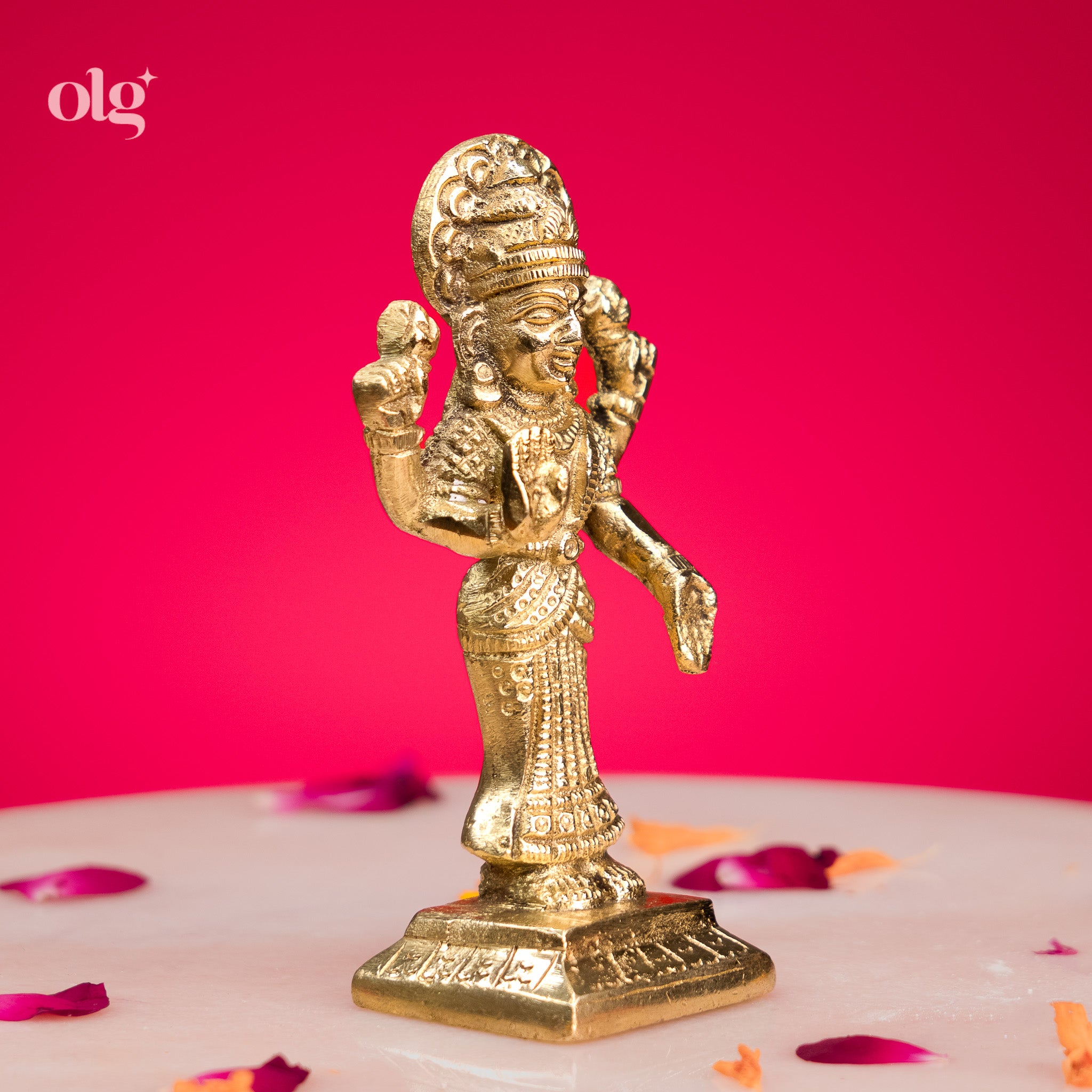
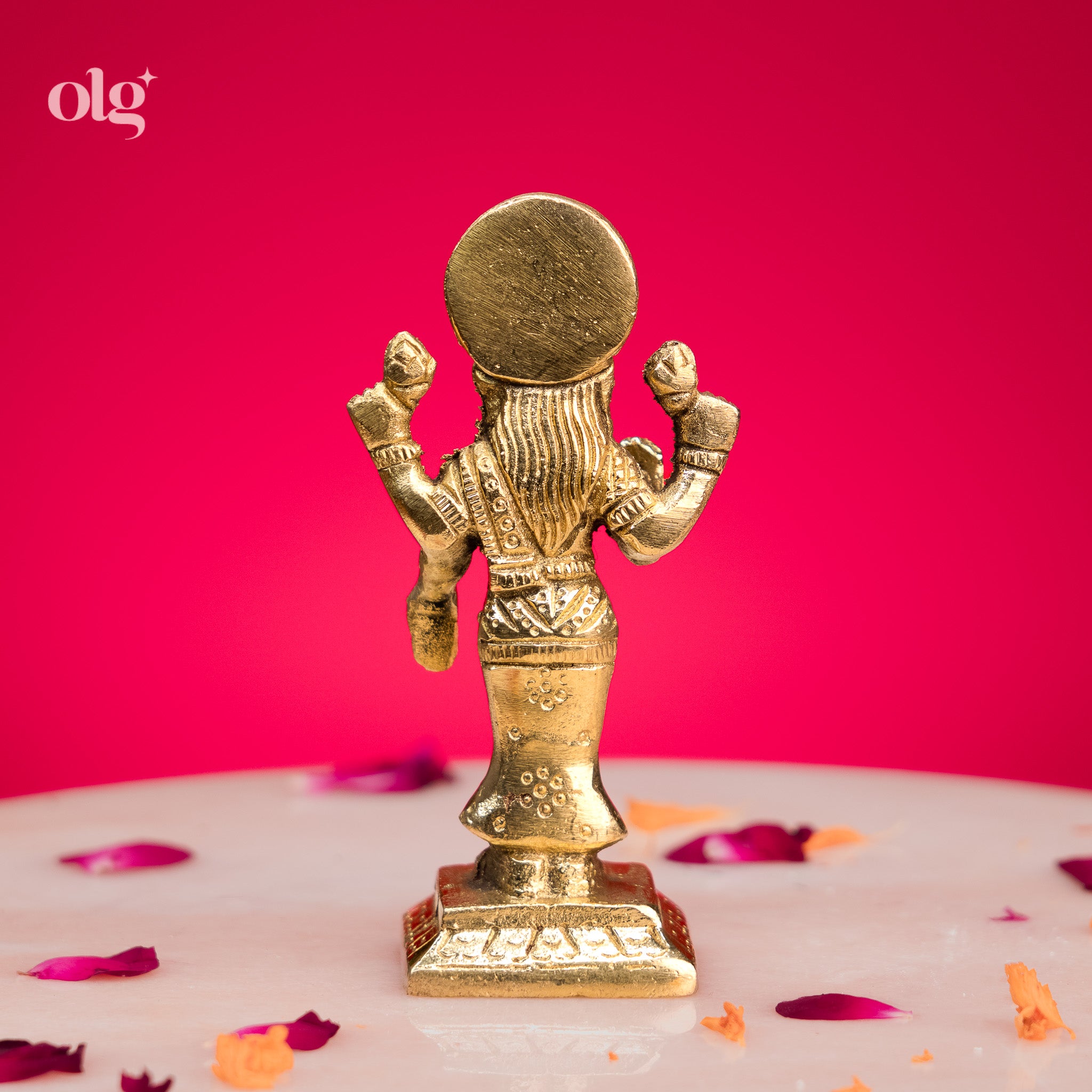
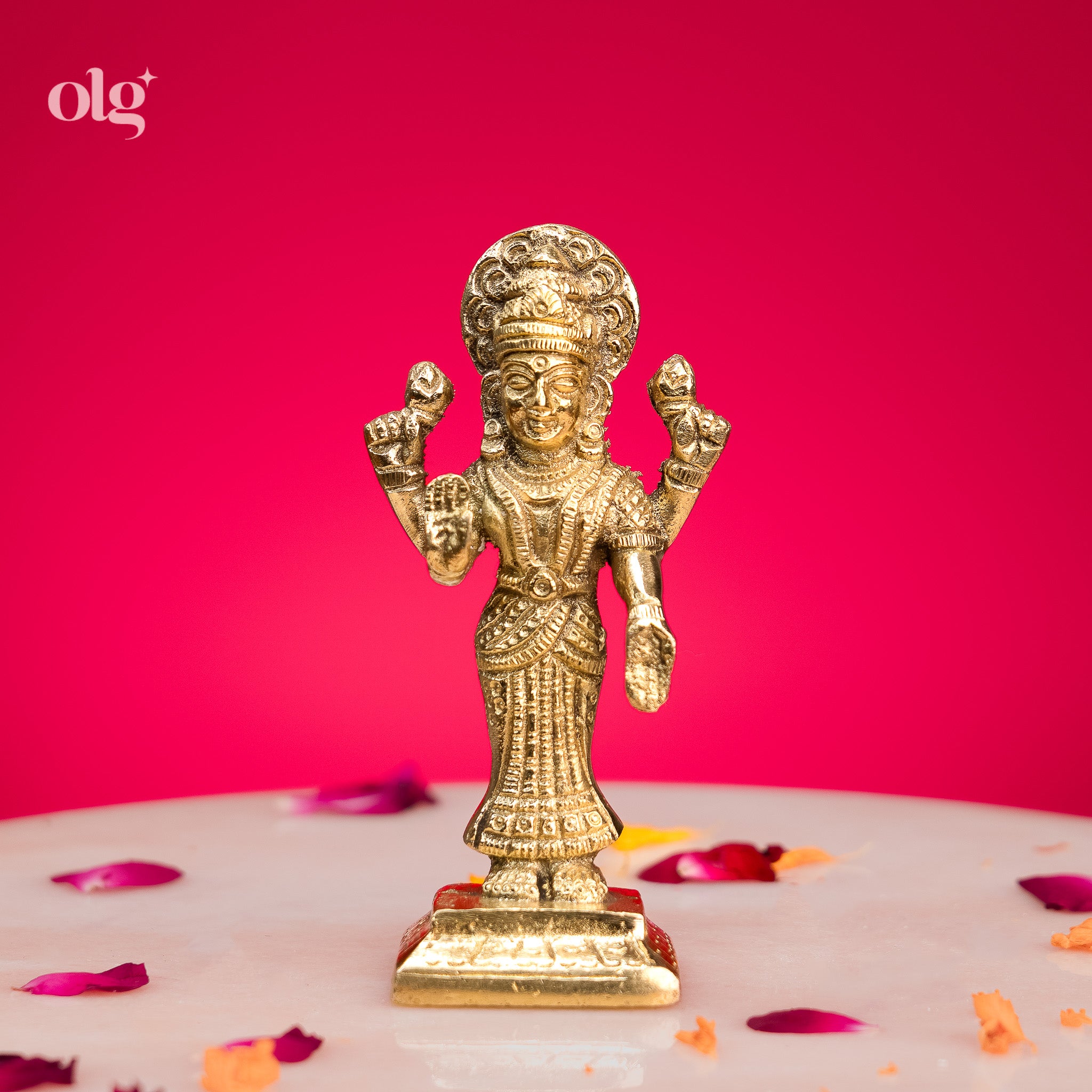
Brass Graceful Standing Lakshmi Murti (4 Inch)

Sale price₹ 1,100.00Regular price ₹ 1,208.79

A Short Guide

Choosing from our Lakshmi Idols

Lakshmi, goddess of wealth and prosperity, is the most gifted deity in Indian homes — at Diwali, weddings, housewarmings and new business openings. This collection includes seated Lakshmi idols on ornate pedestals and lotus bases (4 and 7 inches), the graceful standing Lakshmi, and paired sets: Lakshmi–Ganesha for Diwali pujan and Lakshmi–Narayan for couples.

Choose the 4-inch for compact mandirs and courier-friendly gifting, the 7-inch as a main-altar centrepiece. On Diwali night she is worshipped alongside Ganesha — Lakshmi to the right of Ganesha as you face them.

The pairs, explained

Three pairings come up most often. Lakshmi–Ganesha is the Diwali pairing — wealth alongside the remover of obstacles, worshipped together on Lakshmi Pujan night. Lakshmi–Narayan (Vishnu) is the traditional gift for couples, pairing the goddess with her consort. The Lakshmi-Ganesh-Saraswati trio adds Saraswati for learning, aimed more at study desks and family altars that want to cover wealth, wisdom and obstacle-removal in one set rather than choosing between them.

How many Lakshmi idols is too many

One per household altar is standard practice — Lakshmi is generally not duplicated across multiple idols in the same mandir the way smaller décor figurines might be. If you're adding a Lakshmi–Ganesha pair to an altar that already has a standalone Lakshmi, most people replace rather than stack.

Questions, Carefully Answered

Frequently asked questions

Sitting or standing Lakshmi — which is right for home?
Tradition prefers the seated Lakshmi for homes: a settled goddess signifies wealth that stays. Standing Lakshmi is considered chanchal (restless) and is more common in commercial spaces.
Where should a Lakshmi idol be placed?
In the mandir or the northeast corner, elevated, facing east or west. On Diwali night she is worshipped alongside Ganesha — Lakshmi to the right of Ganesha as you face them.
Should Lakshmi be gifted alone or with Ganesha?
For Diwali and housewarmings, the Lakshmi–Ganesha pair is the complete blessing: prosperity plus obstacle-removal. A single Lakshmi suits business openings and personal altars.
What's the difference between the three Lakshmi pairings you sell?
Lakshmi–Ganesha is the Diwali pairing (wealth plus obstacle-removal). Lakshmi–Narayan is the traditional gift for couples. The Lakshmi-Ganesh-Saraswati trio adds wisdom, aimed at study desks and family altars.
Should I keep more than one Lakshmi idol at home?
One per altar is standard practice. If you're adding a Lakshmi–Ganesha pair to an altar that already has a standalone Lakshmi, most people replace rather than stack.
Is standing Lakshmi wrong for a home altar?
Not wrong, just less traditional — standing Lakshmi is more associated with commercial spaces where wealth is expected to keep moving. For a settled home altar, seated is more common, though plenty of households keep standing forms without issue.
What does the coin motif at her feet represent?
A cascading stream of coins symbolises wealth flowing continuously rather than arriving once and stopping — a detail worth checking for casting quality, since it's often the first place fine detail shows or is lost.