Save 13%
Save 9%
Save 8%

Naga Devata Figurine in Antique Ivory Finish

₹ 5,199.00
4.8 (5)
Save 10%

Set of 5 Hand Carved Wooden Owl Family with Jali Work

₹ 999.00
4.5 (6)
Save 7%

Hand-Painted White & Black Owl Figurine on Branch (5 Inch)

₹ 1,375.00
4.8 (5)
Save 10%

Hand-Painted Dark Green Owl Figurine on Branch

₹ 1,625.00
5.0 (6)
Save 5%

Hand-Painted Black & Gold Owl Figurine on Branch (6 Inch)

₹ 1,625.00
4.7 (6)
Save 9%
Save 9%
Save 10%

Brass Panchmukhi Hanuman Idol (3 Inch)

₹ 630.00
5.0 (1)

A Short Guide

Choosing from our Feng Shui & Vastu Items

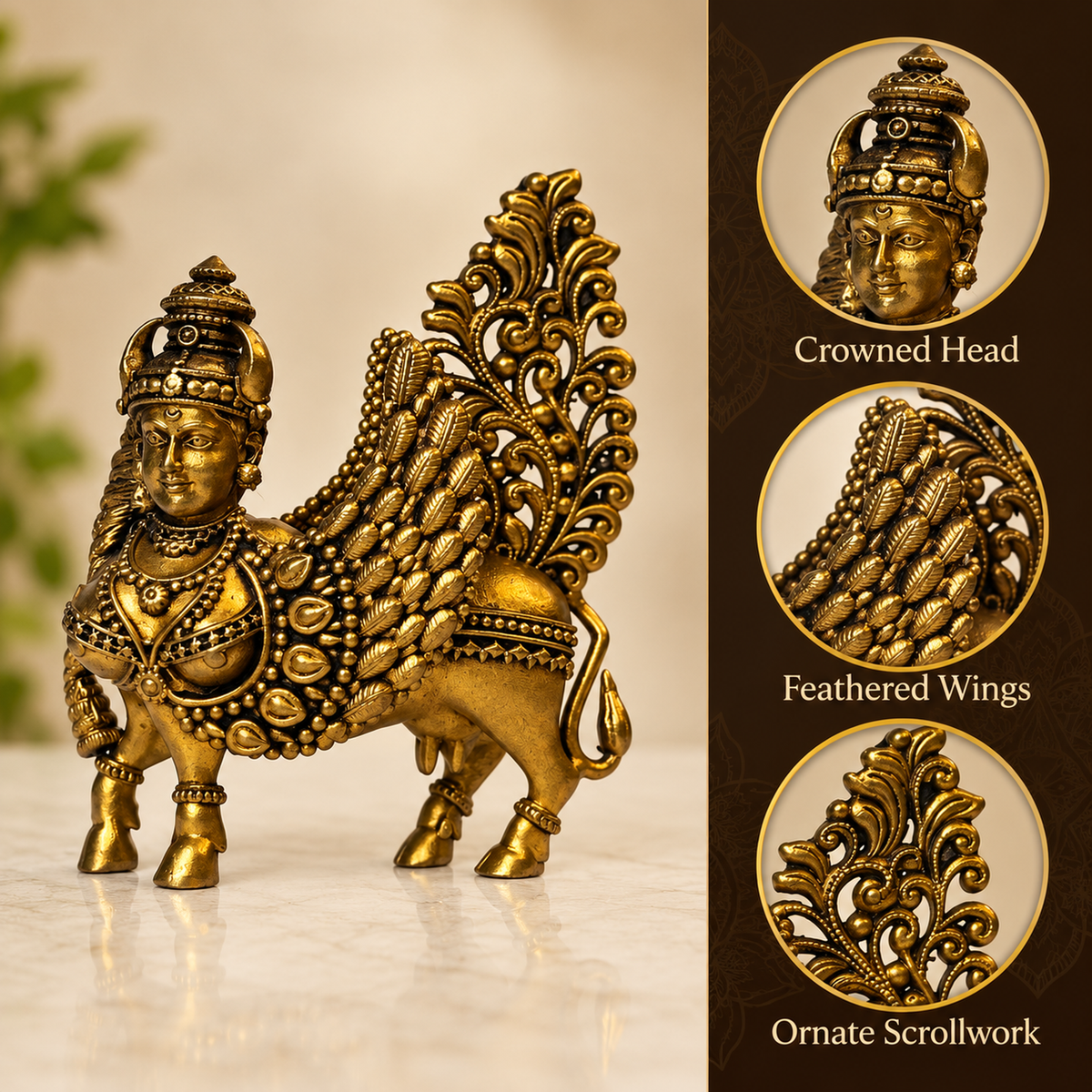
Vastu and Feng Shui items work on the same logic: specific symbols in specific zones of the home invite specific energies. This collection covers the classics — the elephant with raised trunk for luck at the entrance, the Kalpavriksha wish-fulfilling tree, the tortoise for stability and longevity, the flying eagle for ambition, the Kamdhenu cow for abundance, and the sun face for positive energy at the door.

The two systems are parallel, not rivals, and most Indian homes blend them freely. Choose by meaning and placement zone rather than by school: an eagle for ambition in the office, a Kamdhenu in the kitchen zone, elephants at the door.

A quick zone reference

  • Entrance — welcome and prosperity: elephant pairs, sun face, urli
  • North — career and flow: turtle, Kalpavriksha tree
  • Northeast — the mandir zone: deity idols, not feng shui pieces
  • South — fame and recognition: horse figurines
  • North or east — ambition: flying eagle
  • Kitchen or dining — abundance: Kamdhenu cow and calf

Custom, not requirement

Worth saying plainly: vastu and feng shui are widely followed customs in Indian homes, not requirements, and there's no penalty for placing a piece somewhere convenient rather than the textbook zone. Most people treat the placement guidance as a helpful default, not a rule that overrides how a room actually needs to function.

✦ Questions, Carefully Answered

Frequently asked questions

Which Vastu item is best for the home entrance?
A pair of elephants with trunks raised, flanking the door and facing inward, is the traditional welcome for good fortune. A brass sun face on or beside the door adds positive energy; an urli with fresh flowers completes the entrance trio.
Where should a tortoise figurine be placed?
North or northeast — the water zones — ideally near your work or study area. The tortoise stands for stability, longevity and steady progress; the brass tortoise-conch combination doubles the auspicious symbolism.
Can I mix Vastu and Feng Shui items?
Yes — they're parallel systems, not rivals, and most Indian homes blend them freely. Choose by meaning and placement zone rather than by school.
Is vastu a religious requirement or a cultural custom?
A widely followed custom, not a religious obligation — plenty of people who aren't especially religious still follow basic vastu placement out of habit or family practice. Treat the guidance as helpful, not binding.
What if my home layout doesn't allow the ideal placement zone?
Do what's practical. Most people who take vastu seriously still prioritise a room actually working over hitting the exact textbook corner — a slightly-off placement is normal, not a problem to fix at any cost.
Elephant or eagle — which matters more for a new office?
Depends on the goal: elephants at the entrance are about welcoming fortune generally, while the eagle is specifically about ambition and career growth on a personal desk. Many offices use both in different spots.
Can I use vastu items in a rented home?
Yes — these are placement customs, not fixtures, so there's nothing that requires ownership or permanence. Move them with you when you move.